
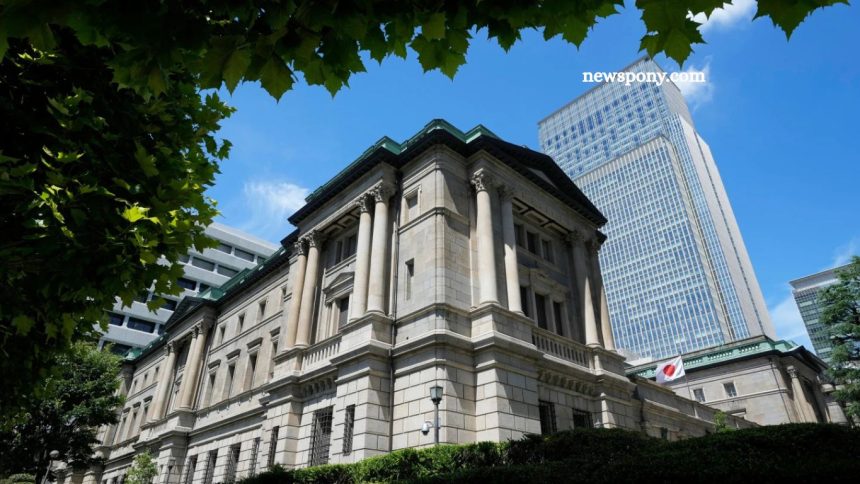
The Bank of Japan raised its key policy rate to a 30-year high on Friday, increasing the benchmark short-term rate by 0.25 percentage points to 0.75%, the highest since September 1995. The move, aimed at curbing persistent inflation, will raise borrowing costs for mortgages and loans while boosting savings yields.
BOJ Governor Kazuo Ueda said, “It is highly likely that wages and prices will continue to rise moderately. Risks to the economy have diminished, but we must remain vigilant.” Inflation has stayed above the BOJ’s 2% target, reaching 3% in November, excluding fresh food.
Although 0.75% remains low globally, the BOJ maintained near-zero rates for years to combat deflation. At the same time, other central banks, including the U.S. Federal Reserve, have adjusted rates to manage inflation and economic slowdown. Despite Japan’s economy contracting at a 2.3% annual rate last quarter, improving business sentiment and price pressures prompted the rate hike.
Japan Raises Interest Rates as Other Countries Cut
Since the early 1990s, the Bank of Japan (BOJ) has kept borrowing costs low to encourage spending by businesses and consumers.
Read More: Select Russian Airstrike in Ukraine Kills 3, Triggers Widespread Power Outages
Managing Debt with Low Rates
Low interest rates have also helped the BOJ handle Japan’s massive national debt, nearly three times the size of its economy.
Aging Population and Economic Slowdown
As Japan’s population ages and declines, economic growth has slowed, leading to deflation—falling prices caused by weak demand. Even with cheap credit, investment has lagged, limiting growth.
The “Big Bazooka” of Monetary Easing
In 2013, the BOJ launched a massive stimulus program, cutting interest rates and buying government bonds to inject money into the economy. Due to the end of the COVID-19 pandemic, the benchmark rate was -0.1%.
First Rate Hike in 17 Years
In 2024, the BOJ raised rates for the first time in 17 years after inflation stabilized above its 2% target, signaling a shift from decades of ultra-low borrowing costs.
Weaker Yen Drives Inflation Higher
The Japanese yen has weakened against the U.S. dollar and other major currencies, making imported food, fuel, and essential goods more expensive for consumers and businesses in Japan.
Investment Shifts Affect the Yen
Strong demand for dollar-denominated shares, particularly in companies linked to the AI boom, has drawn funds out of the yen and into dollars, contributing to inflation outpacing wage growth. This has squeezed household budgets and increased costs for businesses.
Higher Rates Could Strengthen the Yen
Rising interest rates are expected to boost the yen’s value against the dollar, attracting investment into Japan for higher yen-denominated yields. The Bank of Japan has indicated it may continue raising rates, which could further strengthen the currency.
Inflation’s Impact on Policy
“The BOJ’s stance towards rate hikes reflects that inflation is becoming entrenched,” said Kei Fujimoto, senior economist at SuMi Trust. “If factors like further yen depreciation accelerate inflation, the pace of rate hikes could increase accordingly.”
Global Markets Show Little Reaction
The Bank of Japan’s planned rate hike was widely reported in advance, giving investors time to adjust their portfolios, so global markets reacted calmly.
Yen Dips Before Stabilizing
Following the rate hike, the yen initially weakened, with the dollar rising to 157 yen—nearly double its 2012 level and close to this year’s high.
Impact on Carry Trades
Even small rate changes can have significant effects. Analysts warn that higher Japanese interest rates could disrupt the “carry trade,” in which investors borrow cheaply in yen to invest in higher-yield assets abroad. While profitable in rising markets, carry trades can generate heavy losses if investors are forced to sell assets quickly.
Broader Asset Effects
Higher rates in Japan may also reduce demand for other assets, including cryptocurrencies. For example, expectations of the rate hike caused Bitcoin to fall below $86,000, down from record highs near $125,000 in early October. It traded around $88,000 early Friday.
Challenges for Japan’s Central Bank
Timing and sizing interest rate changes remain the biggest challenge for central banks, as policy decisions take time to affect the economy and financial markets.
Balancing Growth and Inflation
Like the U.S. Federal Reserve, the Bank of Japan must balance stimulating business activity and job creation with controlling inflation.
Global Trade Uncertainties
The BOJ delayed earlier rate hikes due to uncertainty over U.S. tariffs on Japanese exports. A deal lowering duties to 15% from the planned 25% has eased some of these concerns.
Real Interest Rates Still Negative
BOJ Governor Kazuo Ueda noted that, with inflation around 3%, real interest rates in Japan remain negative, limiting the full impact of monetary tightening.
Frequently Asked Questions
Why did the BOJ raise interest rates?
The Bank of Japan raised rates to curb persistent inflation, which has remained above its 2% target, reaching around 3% in November 2025.
How much was the rate hike?
The BOJ increased its key policy rate by 0.25 percentage points, bringing the benchmark short-term rate to 0.75%, the highest since 1995.
How does the rate hike affect consumers and businesses?
Higher rates increase borrowing costs for mortgages and loans, but can boost savings yields. They may also impact household budgets as inflation has outpaced wage growth.
Why is the yen weakening?
The yen has fallen against major currencies, partly due to investments in dollar-denominated assets like AI-linked stocks, making imports more expensive and fueling inflation.
What are carry trades and how are they affected?
Carry trades involve borrowing in low-yield currencies, such as the yen, to invest in higher-yield assets abroad. Higher Japanese rates could reduce the profitability of this strategy.
How do global markets respond to the hike?
Markets reacted calmly because the rate hike was widely anticipated. However, some assets, including cryptocurrencies such as Bitcoin, experienced short-term price decline.
What risks does Japan face moving forward?
The BOJ must balance stimulating growth with containing inflation. Real interest rates remain negative, and global trade uncertainties, such as U.S. tariffs, continue to influence economic stability.
Conclusion
The Bank of Japan’s decision to raise interest rates marks a significant shift after years of ultra-low borrowing costs. While aimed at curbing persistent inflation and strengthening the yen, the move presents challenges for households, businesses, and global investors. Balancing economic growth, job creation, and price stability will remain a delicate task for the BOJ, especially amid global market uncertainties. As Japan navigates these changes, monitoring inflation trends, currency movements, and investment flows will be key for policymakers and market participants alike.