
NEW YORK — A coalition of 21 Democratic-led states has filed a lawsuit against the Consumer Financial Protection Bureau (CFPB) and its acting director, Russell Vought, claiming that the White House’s attempt to withhold funds from the agency is unconstitutional. The lawsuit, announced Monday, escalates an ongoing legal conflict over how the CFPB is funded and its ability to protect American consumers.
Background: The Funding Dispute
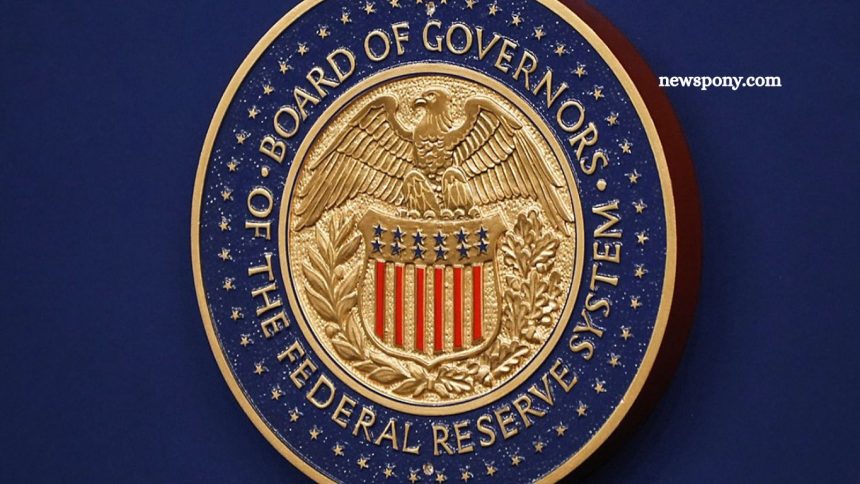
The controversy centers on the Trump administration’s argument that the CFPB can be funded only from the Federal Reserve’s profits. However, the Federal Reserve has reported losses since 2022 due to its aggressive interest rate hikes aimed at curbing inflation. While the Fed holds low-interest bonds purchased during the pandemic, it must pay higher interest to banks on deposits, thereby reducing earnings.
The White House claims that without “combined earnings” from the Federal Reserve, the CFPB cannot legally fund its operations. According to reports, if the bureau does not receive additional funding, it could exhaust its operating budget entirely by January, threatening its ability to carry out consumer protection programs.
Read More: California Floods Claim One Life as State Prepares for Harsh Christmas Storms
Legal Basis: Dodd-Frank Act Interpretation
The phrase “combined earnings” appears in the Dodd-Frank Wall Street Reform and Consumer Protection Act, which established the CFPB more than a decade ago. Lawmakers and policy experts involved in drafting Dodd-Frank have argued that the phrase was never intended to require that the Federal Reserve make a literal profit to fund the agency.
This interpretation is currently being contested in another lawsuit brought by the CFPB employees’ union against Vought, highlighting the complex legal questions surrounding the bureau’s funding and independence.
Arguments from the Democratic Attorneys General
The 21 Democratic attorneys general contend that Congress lawfully created the CFPB, and the White House cannot selectively withhold funds from parts of the government. They stress that the bureau plays a vital role in enforcing consumer protections and sharing complaint data with states to prevent fraud and predatory lending.
“Defunding the Consumer Financial Protection Bureau will make it harder to stop predatory lenders, scammers, and other bad actors from taking advantage of New Yorkers,” said New York Attorney General Letitia James.
The lawsuit argues that, without adequate funding, the CFPB cannot fulfill its statutory requirements, thereby undermining the protections Congress intended when creating the agency.
Potential Consequences for Consumers
If the White House’s position prevails, the CFPB could face a severe operational shortfall. The bureau oversees critical consumer financial regulations, investigates complaints against banks, mortgage lenders, and credit companies, and takes action against companies that engage in deceptive or abusive practices.
Without funding, state and federal authorities would have diminished resources to combat fraud, scams, and predatory lending. Consumer advocates warn that low-income communities, in particular, could face increased financial risk if the CFPB’s enforcement activities are curtailed.
Broader Political and Legal Implications
This lawsuit underscores broader debates about the independence of federal agencies. The CFPB, which was designed to operate independently from the executive branch, has often been a target of political disputes.
Legal analysts note that this case could set a precedent for how the executive branch interprets and enforces agency funding rules, particularly when statutory language is ambiguous. A ruling against the White House could reinforce Congress’s authority to fund agencies without presidential interference. In contrast, a verdict in favor of the administration could embolden future executive control over independent agencies.
Statement from the CFPB and White House
A spokeswoman for Russell Vought did not respond to requests for comment. The CFPB has previously emphasized its commitment to protecting consumers and that funding interruptions could hinder its ability to investigate complaints and enforce federal laws.
Legal experts predict that the case could take months to resolve, with potential appeals extending the dispute well into the next fiscal year.
Historical Context
The CFPB was created under the Dodd-Frank Act following the 2008 financial crisis. Its mission is to protect consumers from abusive financial practices, promote transparency in financial markets, and provide education on financial products. By centralizing enforcement of consumer protection laws, the bureau has successfully recovered billions in compensation for consumers and enforced actions against major financial institutions.
The current funding challenge is part of a long-standing tension between the executive branch and independent regulatory agencies. Past administrations have debated the scope of executive authority to influence funding, but legal scholars say the CFPB’s structure was designed to shield it from political pressure.
Frequently Asked Questions
What is the lawsuit by Democratic-led states about?
21 Democratic-led states sued the White House and CFPB over the agency’s funding, claiming withholding funds is unconstitutional.
Why is the CFPB facing a funding shortfall?
The White House argues that the CFPB can receive funds only from Federal Reserve profits, but the Fed has reported losses since 2022.
What does “combined earnings” mean in the Dodd-Frank Act?
“Combined earnings” refers to the Federal Reserve’s ability to fund the CFPB. Lawmakers say it was not meant to require actual profits.
What role does the CFPB play in consumer protection?
The CFPB investigates complaints, stops predatory lenders and scammers, and enforces federal financial regulations to protect consumers.
Who is involved in the lawsuit?
21 Democratic-led state attorneys filed the lawsuits generally against the CFPB and its director, Russell Vought.
What could happen if the CFPB runs out of funding?
Without funding, the CFPB may be unable to investigate complaints, enforce consumer laws, or share information with states.
Why is this case important for consumers?
The outcome could affect financial protections nationwide, particularly against predatory lending, scams, and abusive financial practices.
Conclusion
The lawsuit by 21 Democratic-led states highlights a critical clash over the CFPB’s funding and the broader balance of power between Congress and the White House. How the courts rule could determine the bureau’s ability to protect consumers from predatory lenders, scams, and financial abuse. With funding uncertainty looming, millions of Americans may face reduced safeguards, making this legal battle pivotal for the future of consumer protection in the United States.