
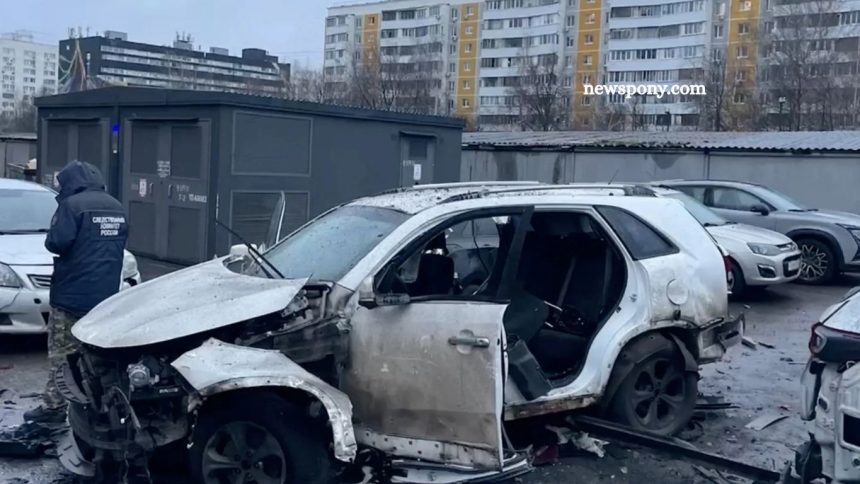
A senior Russian general was killed in a dramatic attack in Moscow when a bomb detonated beneath his vehicle, shocking the capital and sending ripples through the nation’s military and political circles. The explosion, which occurred in a heavily monitored area, has prompted an urgent investigation by Russian authorities, though details about the perpetrators remain unclear.
Security experts warn that this incident signals a troubling rise in targeted attacks against high-ranking officials, raising serious concerns about safety and stability within Russia. Analysts are closely monitoring the situation, noting that such brazen acts in Moscow highlight vulnerabilities even in the heart of the country. The killing underscores escalating tensions and the potential for further security challenges in Russia.
The Attack and Immediate Aftermath
The explosion occurred at approximately 6:55 a.m. local time in a residential area of southern Moscow. Sarvarov’s car, a mid-sized SUV, was struck by an improvised explosive device planted underneath. The blast caused significant damage to his vehicle and several surrounding cars. Emergency services rushed to the scene, but Sarvarov succumbed to severe injuries, including shrapnel wounds and fractures.
Authorities quickly secured the area, evacuated residents, and began a thorough forensic investigation. Russian investigators launched a murder probe, examining multiple potential leads, including the possibility of foreign intelligence involvement. Security officials emphasized the seriousness of the attack, calling it a “highly sophisticated act” that required immediate and extensive investigation.
Read More: Key Insights on the Bank of Japan’s Interest Rate Hike
About Lieutenant General Fanil Sarvarov
Fanil Sarvarov, 56, had a long and distinguished military career. He was born in Gremyachinsk, Perm Oblast, and graduated from the Kazan Higher Tank Command School before attending the Military Academy of the General Staff. Sarvarov had participated in several conflicts, including the Chechen wars and Russia’s military operations in Syria.
As head of the Operational Training Directorate, Sarvarov oversaw the preparation and training of Russian military forces. His position placed him at the core of Russia’s strategic planning and operational readiness, making him a critical figure in the ongoing military efforts in Ukraine and other operational theaters. His death leaves a significant gap in the Russian army command structure.
Investigation and Speculation
From the onset, Russian authorities suggested the possibility of foreign involvement, particularly highlighting Ukrainian intelligence as a potential suspect. However, no official evidence has been publicly released to confirm this. Investigators are also considering domestic motives, including internal rivalries or connections to organized crime.
The investigation involves a detailed examination of the blast site, a review of surveillance footage, and a tracing of potential communications and logistics that could have facilitated the attack. Authorities have called for heightened vigilance and enhanced security measures for other high-ranking officials to prevent similar incidents.
Historical Context: Targeted Attacks in Russia
Sarvarov’s assassination is not an isolated event. It represents the latest in a series of high-profile attacks targeting senior Russian military officials. Over the past year, several generals have been killed or seriously injured in Moscow and its suburbs, suggesting a worrying pattern.
In previous incidents, explosives have been placed in vehicles, on scooters, and even on personal property. These attacks have not only resulted in casualties but also raised questions about the effectiveness of internal security measures for military and government officials. Analysts argue that repeated incidents indicate that even highly secure areas of Moscow are not immune to sophisticated assaults.
Political and Security Implications
The killing of a top general in the nation’s capital has sparked debate over the adequacy of Russia’s security protocols. Critics have pointed to repeated incidents as evidence of intelligence or operational failures, while hardline officials advocate for more aggressive counterintelligence measures.
President Putin has reportedly been briefed on the incident and has instructed law enforcement agencies to take “all necessary measures” to protect military personnel. Meanwhile, discussions have emerged around enhancing security infrastructure, increasing surveillance, and implementing stricter protective measures for high-ranking officials and government staff.
The attack also exposes vulnerabilities within Russian military and political structures. High-ranking officials are responsible for sensitive operational decisions, and their loss can disrupt command chains, hinder strategic planning, and reduce morale among troops and staff.
International Reactions
The international community is closely observing the situation, especially given its potential implications for the ongoing Russia-Ukraine conflict. While condemnation of the assassination is widespread, no foreign governments have formally attributed blame. Analysts caution that such attacks, if tied to foreign intelligence operations, could escalate tensions and complicate diplomatic efforts.
The incident underscores how modern conflicts extend beyond traditional battlefields, with strategic targets increasingly located in urban centers and civilian areas. This shift highlights the complexities of asymmetrical warfare, where high-value individuals may be at risk even far from combat zones.
Military and Strategic Implications
The death of Sarvarov represents a significant strategic blow to the Russian military. Generals of his rank are central to operational planning, troop training, and coordination across multiple fronts. Removing such a figure can create temporary disorganization, delay military operations, and necessitate rapid restructuring.
For opposing forces, targeting senior commanders serves as a force multiplier, potentially affecting morale and disrupting decision-making processes. However, such actions carry risks, including potential retaliation and escalation, which could intensify ongoing conflicts.
Impact on Civilian Security
Beyond the immediate military consequences, the attack raises serious concerns about civilian safety. Explosions in urban areas pose significant risks to bystanders, damage property, and create widespread fear. In response, Moscow authorities have increased patrols, enhanced surveillance, and tightened security measures in residential districts.
Repeated incidents of this nature may also influence public perception and trust in governmental security systems. Citizens expect safety in heavily monitored areas, and high-profile attacks challenge that perception, creating anxiety and prompting calls for stricter law enforcement and protective measures.
Potential Long-Term Consequences
The assassination of Lieutenant General Sarvarov may signal a new phase in the ongoing conflict between Russia and Ukraine. If foreign intelligence is involved, it could normalize covert operations within Russian territory and escalate tensions. If domestic actors are responsible, it may reveal deeper structural or societal vulnerabilities, potentially affecting internal stability.
Regardless of the perpetrators, the attack highlights the evolving nature of warfare and security threats. High-ranking officials are increasingly targeted, requiring governments to adapt traditional protective measures to modern threats, including unconventional and asymmetrical tactics.
Frequently Asked Questions
Who was the Russian general killed in Moscow?
Lieutenant General Fanil Sarvarov, head of the Operational Training Directorate of the Russian Armed Forces, was killed in the car bombing.
How did the attack happen?
A powerful explosive device was planted under Sarvarov’s vehicle and detonated while he was driving, causing fatal injuries.
Where did the attack occur?
The incident took place in a residential area of southern Moscow, damaging nearby cars and property.
Who is responsible for the bombing?
Authorities are investigating multiple possibilities, including foreign intelligence or domestic actors, but no official culprit has been confirmed.
Why was Sarvarov targeted?
As a senior military official, Sarvarov played a key role in operational planning, making him a high-value target in ongoing conflicts.
How has Russia responded to the attack?
Russian authorities launched a criminal investigation, increased security for officials, and emphasized the seriousness of the incident.
What are the broader implications of this attack?
The assassination highlights vulnerabilities in urban security, risks to high-ranking officials, and potential escalations in ongoing military and political tensions.
Conclusion
The assassination of Lieutenant General Fanil Sarvarov in Moscow underscores the growing risks faced by high-ranking officials and the vulnerabilities in urban security. Beyond its immediate human and operational toll, the attack highlights broader political and military implications, signaling potential escalations and the urgent need for enhanced protective measures. As investigations continue, Russia faces the challenge of restoring confidence, preventing further attacks, and safeguarding both its leaders and national stability in an increasingly unpredictable security landscape.